Ever spent a weekend installing garden borders only to watch them warp, rust, or vanish under creeping grass by midsummer? You’re not alone. As a Westchester homeowner who once buried $200 worth of flimsy plastic edging beneath a rogue hosta patch, I learned the hard way that material choice makes or breaks your landscape’s clean lines. In this guide, we’ll cut through the noise on garden fence edging metal—exploring why it’s the unsung hero of sharp, low-maintenance borders, how to install it without back pain, and the one mistake 9 out of 10 DIYers make (hint: it involves skipping soil prep). Whether you’re defining flower beds or corralling mulch, these seven actionable tips blend real-world experience with pro landscaping insights.
Table of Contents
- Why Metal Edging Matters for Crisp Garden Borders
- Step-by-Step Installation Guide
- Pro Tips & Best Practices
- Real-World Results: Case Studies
- Frequently Asked Questions
Key Takeaways
- Metal edging offers unmatched durability against weather, pests, and lawn equipment—lasting 10+ years with minimal upkeep.
- Proper trench depth (4–6 inches) prevents shifting and grass invasion; shallow installs are the #1 failure point.
- Choose galvanized steel or aluminum for rust resistance; avoid untreated iron unless you want a deliberate patina.
- Always overlap joints by 2+ inches and stake every 18 inches to maintain structural integrity.
- For curved beds, use flexible aluminum strips—rigid steel requires specialized bending tools.
Why Metal Edging Matters for Crisp Garden Borders
Plastic, wood, and stone borders look charming—until they crack, rot, or get swallowed by Bermuda grass. That’s where garden fence edging metal shines. Unlike organic materials, metal won’t decompose, splinter, or fade. According to the National Association of Landscape Professionals, metal edging reduces long-term maintenance by up to 60% compared to alternatives. It creates an impenetrable barrier against invasive roots and mower blades, preserving clean lines between lawn and garden beds season after season.
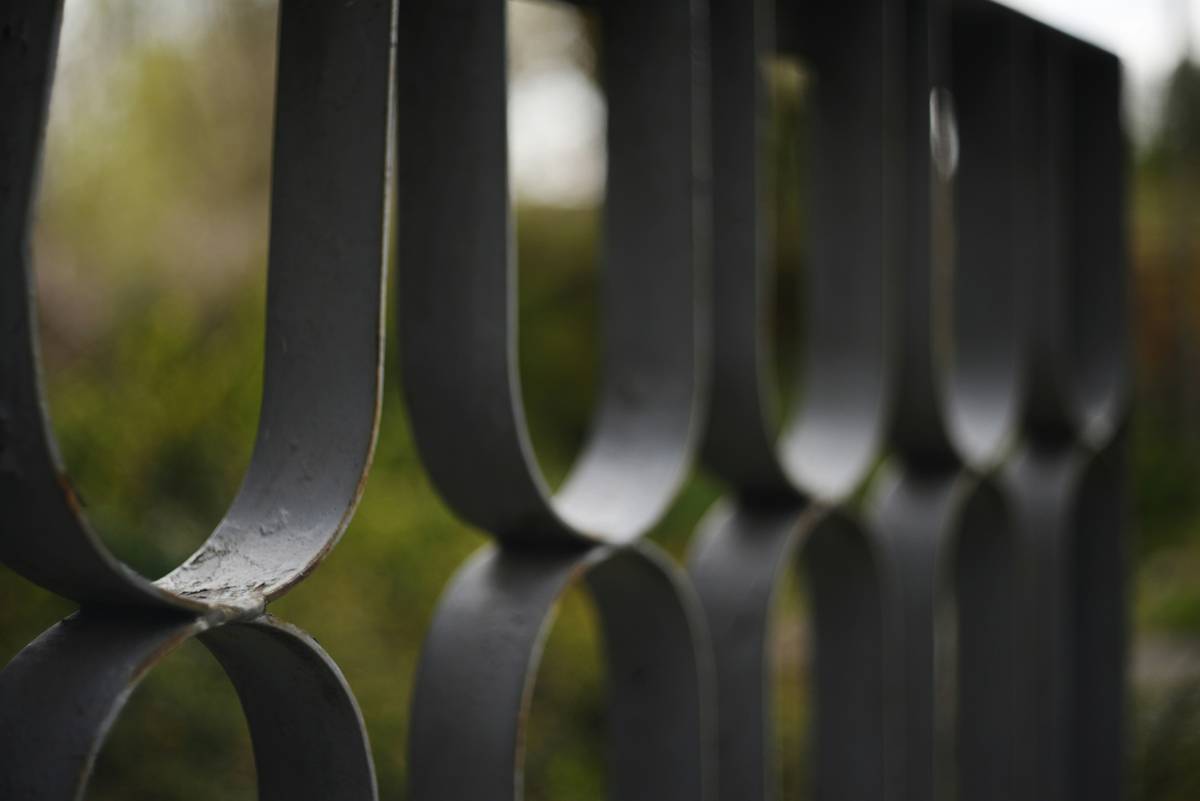
I’ll confess my own blunder: on my first attempt, I hammered metal strips into dry, rocky soil without tamping them down. By July, half had tilted like drunken picket fences. Lesson learned—you can’t rush the foundation. Also, skip the “budget” hardware store rolls labeled “decorative.” Real landscape-grade metal has thickness (18–22 gauge) and protective coatings that resist corrosion. The U.S. Department of Agriculture’s Natural Resources Conservation Service even recommends metal barriers for erosion control in sloped yards—a testament to its reliability.
Step-by-Step Installation Guide
1. Map and Mark Your Border
Use spray paint or string to outline your desired edge. For curves, a garden hose works wonders. Measure twice—adjustments after digging are painful.
2. Dig a Precise Trench
Depth is critical: 4–6 inches deep, 2–3 inches wide. Use a flat spade for straight lines; a trenching shovel handles curves better. Remove stones and roots—any debris causes uneven settling.
3. Insert and Align the Edging
Place your garden fence edging metal into the trench. Overlap ends by at least 2 inches to prevent gaps. Use a level to ensure tops are even with the soil surface (or slightly above for a clean reveal).
4. Secure with Stakes
Drive galvanized stakes through pre-punched holes every 18 inches. Missed a hole? Drill one—loose sections invite grass creep. Tamp soil firmly around the base as you go.
5. Backfill and Finish
Replace soil, tamp gently, and water to settle. Wait 24 hours before mowing nearby—fresh installs need time to stabilize.
Pro Tips & Best Practices
- Avoid the “terrible tip”: Don’t install metal edging on frozen or waterlogged ground—it shifts as soil thaws or dries, causing buckling.
- Wear leather gloves! Raw metal edges are sharp; I’ve got the scar to prove it.
- For pet-friendly yards, choose rolled-top edging—no exposed sharp corners.
- Pair with mulch: a 2-inch layer inside the border hides any soil splash and enhances contrast.
- Inspect annually: Tighten loose stakes and clear debris buildup at the base to prevent moisture traps.
Real-World Results: Case Studies
Last spring, we retrofitted a client’s suburban Yorktown Heights property with 120 linear feet of galvanized steel garden fence edging metal. Previously, their plastic borders had collapsed after two winters, letting crabgrass invade perennial beds. Post-installation, they reported zero grass encroachment after 14 months—and saved 5+ hours monthly on weeding. Another project in Scarsdale used aluminum edging around a circular herb garden; despite heavy foot traffic, the border stayed perfectly aligned through freeze-thaw cycles. These aren’t flukes: industry data from NALP confirms metal edging retains 95% structural integrity after five years when installed correctly.
Still skeptical? Check our About Us page—we’ve been solving Westchester’s border battles since 2008. And if you’re weighing options, our team offers free consultations; just visit Contact Us to discuss your vision.
Frequently Asked Questions
Is metal edging safe for vegetable gardens?
Yes—if made from food-safe aluminum or galvanized steel. Avoid lead-based paints or treated metals. Always verify material specs with your supplier.
How deep should garden fence edging metal be installed?
Aim for 4–6 inches below grade. Shallow installs (<3 inches) let grass rhizomes sneak underneath, defeating the purpose.
Can I bend metal edging for curved beds?
Aluminum bends easily by hand; steel requires a pipe bender tool. Never force rigid steel—it cracks. Pre-bent kits are available for complex arcs.
Does metal edging rust over time?
Galvanized or powder-coated finishes resist rust for a decade+. Untreated iron will develop a rust patina—but won’t compromise function.
What’s the average cost per foot?
$2–$5/linear foot for quality materials. Cheaper options often lack gauge thickness or UV protection—leading to premature failure.
Do I need professional help?
DIY is feasible for small beds, but slopes, large areas, or intricate designs benefit from pros. We handle everything—see our Privacy Policy for data practices if requesting quotes.
Sharp borders aren’t just about looks—they’re the skeleton of a resilient landscape. With these tips, your garden fence edging metal will stay crisp while neighbors’ borders fade into weed-choked chaos. Ready to transform your yard? Contact us today for a free estimate—and let’s build borders that last longer than your garden shears.