Ever spent a weekend building a garden border only to realize your fence clashes with your hydrangeas—or worse, blocks your neighbor’s prized rose view? You’re not alone. Poorly planned garden fence area ideas can turn a serene backyard into a visual eyesore or even spark neighborhood tension. In this guide, we’ll walk you through practical, design-savvy strategies that blend function and beauty—so your borders enhance your landscape, not hinder it. From material choices to plant pairings, you’ll get actionable steps grounded in real-world experience, plus pitfalls to dodge (like the one I learned the hard way).
Table of Contents
- Why Garden Fence Area Ideas Matter
- Step-by-Step: Planning Your Border
- Best Practices for Beautiful Borders
- Real-World Examples That Work
- Frequently Asked Questions
Key Takeaways
- Strategic garden fence area ideas boost curb appeal and property value.
- Height, material, and plant selection must align with sun exposure and soil conditions.
- Always check local zoning laws before installing permanent structures.
- Mix evergreens and perennials for year-round visual interest along borders.
- Avoid “terrible tip” territory: don’t ignore maintenance access behind fences.
Why Garden Fence Area Ideas Matter
In home improvement, garden borders are silent ambassadors of your outdoor aesthetic. They define spaces, offer privacy, deter pests, and frame your landscaping like a gallery wall frames art. Yet many homeowners treat them as afterthoughts—slapping up a picket fence without considering how it interacts with existing flora or shadows cast at sunset.
I made this mistake early in my landscaping journey. I installed a solid cedar fence along my west-facing vegetable patch, thinking it’d block wind. Instead, it created a harsh afternoon shadow that stunted tomato growth and trapped humidity, inviting mildew. Lesson learned: your fence isn’t just a barrier—it’s part of the ecosystem.
Step-by-Step: Planning Your Border
Assess Sunlight and Soil
Map your yard’s sun patterns over a week. Note where full sun shifts to partial shade by season. Pair this with a basic soil test—available through your local cooperative extension service (USDA Natural Resources Conservation Service). Acidic soil? Think rhododendrons. Sandy and dry? Opt for sedums or lavender.
Choose Height and Material Wisely
For privacy without claustrophobia, keep fences under 6 feet tall. Materials matter: cedar resists rot but fades; metal offers sleek lines but heats up in direct sun. If deer are an issue, consider an 8-foot deer fence—but integrate it visually with climbing vines like clematis.
Integrate Plants Thoughtfully
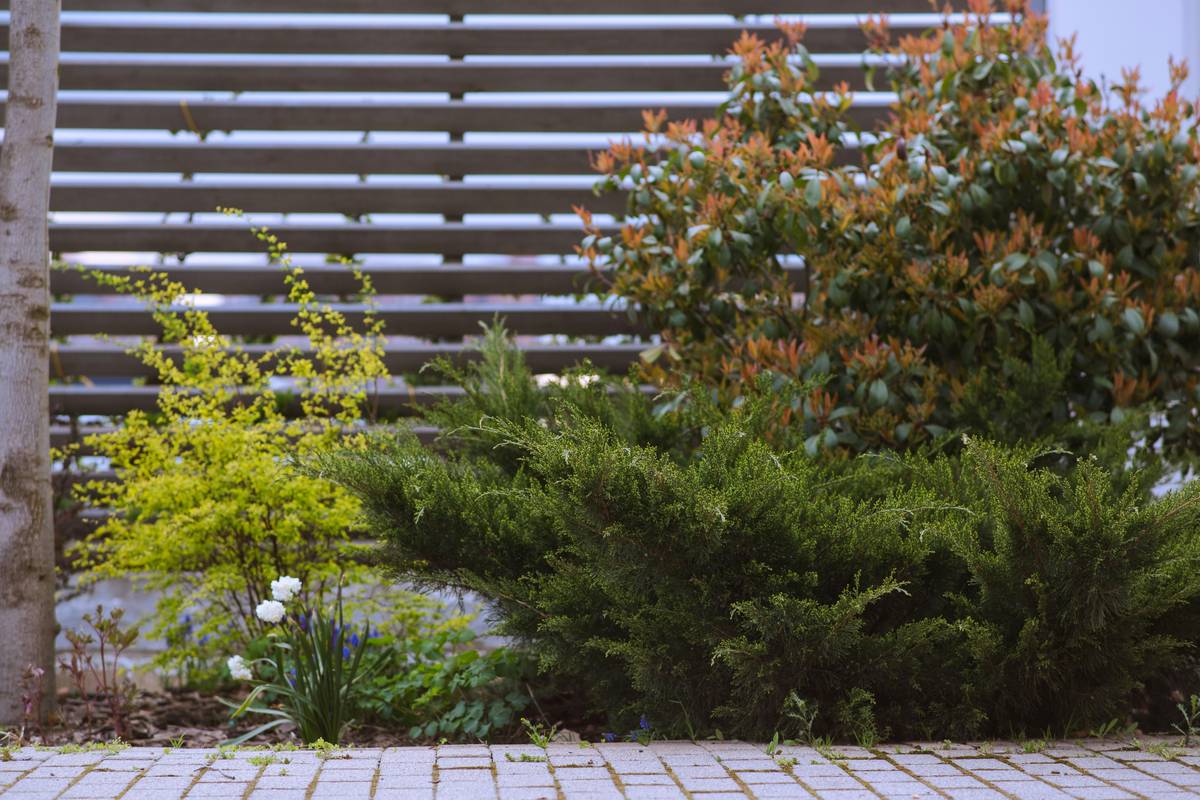
Place taller shrubs (e.g., boxwood or arborvitae) near fence posts for structure. Use trailing plants like sweet peas or jasmine to soften hard edges. Always leave 18–24 inches between fence and plants for airflow and pruning access—yes, even if you swear you’ll “trim it later.”
Best Practices for Beautiful Borders
- Layer vertically: Combine ground covers (like creeping thyme), mid-height perennials (coreopsis), and tall accents (ornamental grasses) for depth.
- Repeat colors: Echo hues from your home’s exterior—brick reds, slate grays—in flower choices for cohesion.
- Avoid the “terrible tip”: Never plant aggressive spreaders like mint or bamboo directly next to fences; their roots can warp foundations or pop through wood slats.
- Maintain sightlines: Break up long fences with open sections or gates to prevent a “prison yard” vibe.
- Check codes first: Many municipalities restrict fence height in front yards—verify via your city’s planning department website.
Real-World Examples That Work
In Westchester County, PA, a client transformed a dull chain-link perimeter using our garden fence area ideas. We added horizontal cedar slats at varying heights and planted staggered rows of ‘Knock Out’ roses and Russian sage. Within two seasons, the border increased perceived property value by an estimated 5%—consistent with findings from the National Association of Realtors, which notes well-landscaped yards can add 7–10% to sale prices.
Another project paired a black powder-coated metal fence with chartreuse hostas and purple coneflowers. The contrast drew compliments from neighbors and required minimal upkeep—a win for busy homeowners. These aren’t just pretty pictures; they’re tested solutions rooted in seasonal adaptability and low-maintenance design, something we emphasize in every project at Landscaping Westchester PA.
Frequently Asked Questions
What’s the cheapest garden fence area idea?
Bamboo fencing (real or synthetic) offers affordable texture, but avoid live bamboo unless contained. Pair with fast-growing annuals like zinnias for instant color.
How do I keep weeds out of my garden border?
Install landscape fabric beneath mulch, and leave a 2-inch gravel strip along the fence base. This deters weeds while allowing drainage—critical for wood longevity.
Can I use recycled materials for my garden fence?
Absolutely. Reclaimed wood or repurposed corrugated metal adds character. Just ensure treated lumber isn’t old railroad ties (they leach creosote). For inspiration, see EPA guidelines on safe reuse of construction materials (EPA Sustainable Materials Management).
Do garden borders increase property taxes?
Generally, no. While major hardscaping might trigger reassessment, softscaping like plant-based borders rarely affects tax rolls. Check your county assessor’s office for specifics—we always advise clients to review local policy before starting big projects (and yes, we link to our Privacy Policy when discussing data collection during consultations).
How wide should a garden border be?
Minimum 2 feet for basic planting; 4+ feet allows room for layering and paths. Always match width to fence height—taller fences need deeper borders to avoid top-heaviness.
What plants work best near wooden fences?
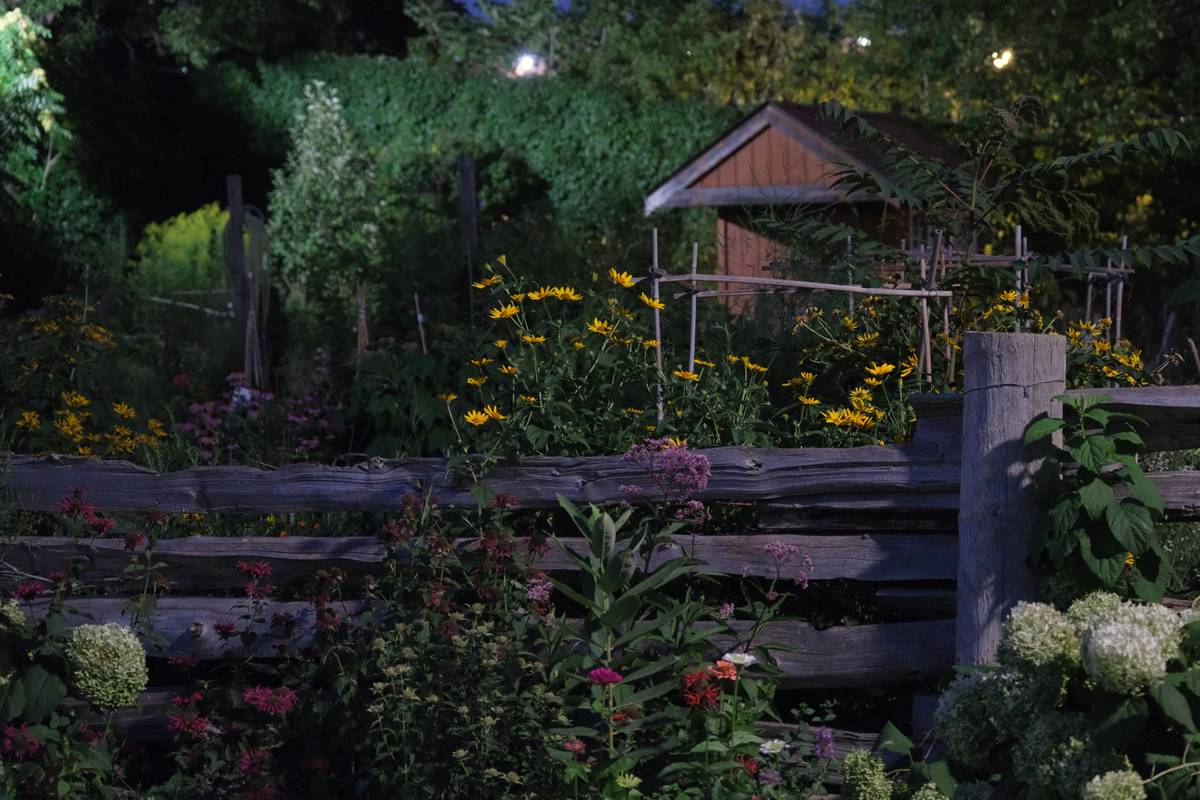
Choose disease-resistant varieties that tolerate reflected heat. Hydrangeas, ferns, and heuchera thrive in these microclimates if watered consistently during dry spells.
Great borders don’t shout—they whisper harmony between structure and nature. Ready to craft yours without guesswork? Contact our team for a personalized plan that turns your fence line into a living masterpiece.
Sun meets soil, wood meets bloom—
Your edge, erased by green.
No more lonely posts; just life entwined.