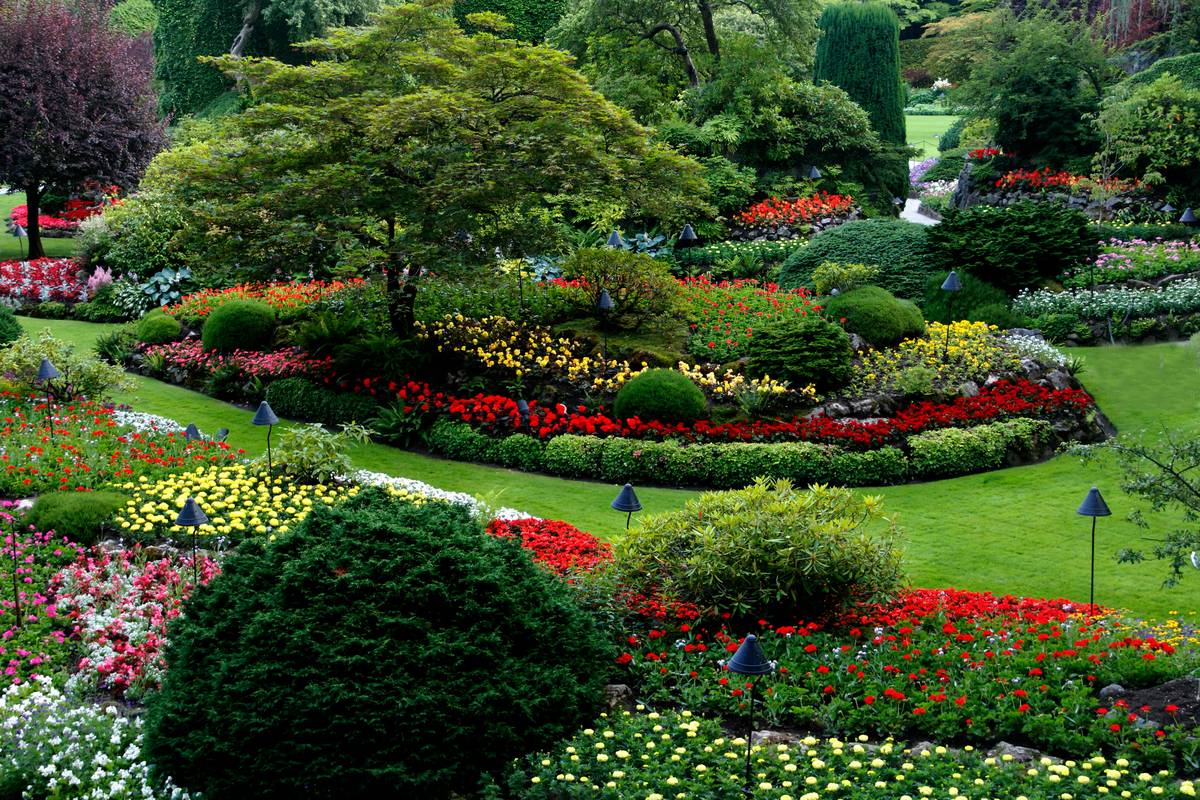
Your garden feels exposed. Neighbors’ eyes wander too close. Rain washes away mulch right up to the edge—again. A flimsy plastic border or half-rotted timber won’t cut it. You need structure that blends beauty with backbone. The right landscaping garden fence ideas don’t just mark a line—they elevate your entire outdoor aesthetic.
Why Most DIY Garden Borders Fail Within Two Seasons
People bolt down cheap lattice or stack stones without a base. Big mistake. Frost heave? It’ll buckle everything by spring. And decorative pickets nailed into soft soil? They lean like tired sunflowers after one harsh winter. Durability isn’t optional—it’s non-negotiable.
Worse: overdesigned borders that clash with your home’s architecture. A rustic cobblestone edge looks absurd next to a modern stucco facade. Context matters. Always.
Step-by-Step: Building a Border That Lasts Decades, Not Months
This isn’t about copying Pinterest. It’s about smart layering—function first, flair second.
Select Materials That Match Your Climate
In Westchester County, freeze-thaw cycles chew through poorly set edging. Go for frost-resistant options: concrete pavers, pressure-treated cedar, or galvanized steel. Skip vinyl—it becomes brittle in our winters.
Prepare the Ground Like a Pro
Dig a trench 6–8 inches deep. Add 2 inches of compacted gravel. This isn’t optional drainage theater—it’s armor against shifting and rot. Level it with a string line, not your eyeball.
Install with Interlock, Not Just Stakes
Stacked stone? Use masonry adhesive between courses. Metal edging? Overlap seams by 4 inches and pin every 12 inches with landscape staples. Single-point anchoring fails. Every. Time.
Maintenance That Actually Saves Time
A well-built border should need less upkeep—not more. Brush off debris monthly. Re-tighten loose pins in early spring. Done right, you’re spending minutes per year, not hours.
| Material | Avg. Cost (per linear ft) | Lifespan (Years) | Best For |
|---|---|---|---|
| Galvanized Steel Edging | $4–$7 | 15–20+ | Clean lines, modern yards, tight curves |
| Pressure-Treated Cedar | $6–$10 | 10–15 | Rustic charm, raised beds, naturalistic styles |
| Concrete Pavers | $8–$14 | 25+ | Traditional homes, high-traffic zones, formal gardens |
| Recycled Plastic Lumber | $5–$9 | 20+ | Eco-conscious builds, wet areas, low-maintenance focus |
The Industry Secret: Use Your Border as a Planting Zone
Here’s what landscapers won’t tell you: your border isn’t just a wall—it’s real estate. Tuck low-growing sedums, thyme, or mondo grass right into the front face. These spill softly over the edge, blurring hard lines and creating living texture.
And—this is key—planting into the border itself reduces weed pressure from the lawn side. Grass runners hit a dense mat of ground cover and stop. No more edging every weekend. The math is simple: invest 20 minutes upfront, save 10 hours yearly.
Frequently Asked Questions
What’s the cheapest long-term garden border option?
Recycled plastic lumber. Low initial cost, zero decay, and no painting or sealing. Beats cheap wood that rots in 3 years.
Can I install garden edging myself?
Yes—if you respect depth and drainage. The #1 DIY error? Shallow trenches. Dig deep, gravel the base, and anchor properly.
How tall should a garden fence border be?
Ideal height: 4–6 inches above grade. Enough to block grass intrusion, low enough to mow over without scalping.