Australian gardeners keep installing flimsy timber pickets and calling it “rustic charm.” The result? Warped panels after one summer storm, kangaroo grass choking the base, and fences that look tired before the paint dries. You want boundaries that blend beauty with brutal practicality—not Pinterest props that crumble by March. Here’s how top Aussie landscapers build borders that last.
Why Most Garden Fence Ideas Australia Tries End Up Failing
Timber rots. Concrete cracks under thermal stress. Powder-coated steel looks sleek until the coastal salt air turns it into a rust canvas. And don’t get me started on those “low-maintenance” bamboo screens—they’re termite buffets wrapped in greenwashing. The real issue? Most guides ignore microclimate realities. Sydney’s humidity isn’t Melbourne’s dry heat. Perth’s sandy loam drains differently than Brisbane’s clay. One-size-fits-all fence advice is why your neighbour’s “easy-care” hedge died by winter.
And aesthetics alone won’t cut it. A fence must manage wind corridors, filter western sun glare, and deter wildlife—not just frame a photo op.
Garden Fence Ideas Australia Trusts: A Step-by-Step Breakdown
Forget copying Instagram gardens from Toronto or Berlin. Australia’s UV index alone demands specific material choices. Start here:
Prioritise Climate-Adaptive Materials
In coastal zones, go for marine-grade aluminium or recycled plastic composite—zero corrosion, zero warping. In bushfire-prone areas (looking at you, Blue Mountains), non-combustible steel with intumescent coating isn’t optional; it’s code. For arid inland zones, rammed earth or corten steel develops a protective patina that actually improves with age.
Integrate Functional Greenery—Not Just Ornamental
Plant hardy natives like Westringia or Lomandra along the base. They stabilise soil, suppress weeds, and reduce splash-back erosion on fence posts. Skip thirsty English box hedges—they’ll suck your water tank dry and invite fungal rot where foliage touches timber.
Get the Height Right (Legally and Practically)
Most councils cap rear fences at 1.8m. But go taller only if you add cross-bracing and engineered footings. Otherwise, that “statement piece” becomes a liability in 60km/h southerlies.
| Material Type | Upfront Cost (AUD/m) | Lifespan (Years) | Best For | Hidden Drawback |
|---|---|---|---|---|
| Cedar Timber | $180–$250 | 8–12 | Shaded suburban yards | Requires resealing every 2 years in UV-heavy zones |
| Recycled Plastic Composite | $220–$300 | 25+ | Coastal & humid regions | Can expand/contract more than wood in extreme temps |
| Galvanised Steel Mesh | $90–$140 | 15–20 | Rural properties, dog runs | Offers zero privacy—pair with climbing plants |
| Corten Steel Panels | $350–$500 | 30+ | Modern urban courtyards | Runoff stains concrete during initial rusting phase |
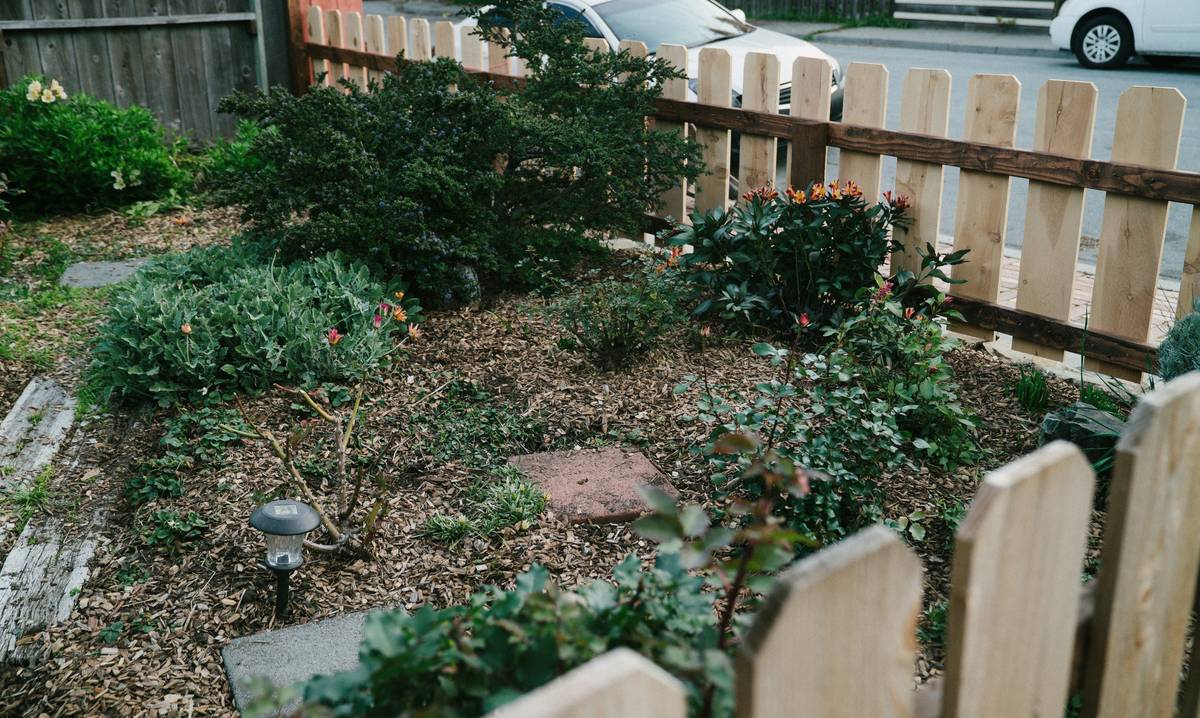
The Industry Secret No One Admits About Australian Garden Borders
Top-tier landscapers in Adelaide and Canberra don’t just install fences—they design “micro-windbreaks.” Here’s the trick: offset double rows of slim vertical slats with a 10cm gap between layers. This disrupts airflow without blocking light, cutting wind speed by up to 60% while preventing the “sail effect” that topples single-panel fences. It costs ~15% more upfront but eliminates post-replacement cycles. And—this is key—they anchor posts in crushed rock beds, not concrete. Why? Rock allows drainage and reduces capillary rise that wicks moisture into timber bases. Concrete holds water like a sponge against the grain. That subtle shift alone adds 5–7 years to fence life in high-rainfall areas.
Frequently Asked Questions
What’s the cheapest durable garden fence in Australia?
Galvanised steel mesh with timber capping—under $120/m installed. Pair it with fast-growing Kangaroo Vine for instant green coverage.
Can I use treated pine for garden fences in Australia?
Only if it’s H4 or H5 rated for in-ground use. Standard H3 won’t survive termite zones or wet soils—skip it unless you enjoy rebuilding every 5 years.
Do I need council approval for a 1.5m garden fence?
Usually not for rear boundaries under 1.8m. But always check local DAs—some heritage suburbs restrict materials or colours regardless of height.