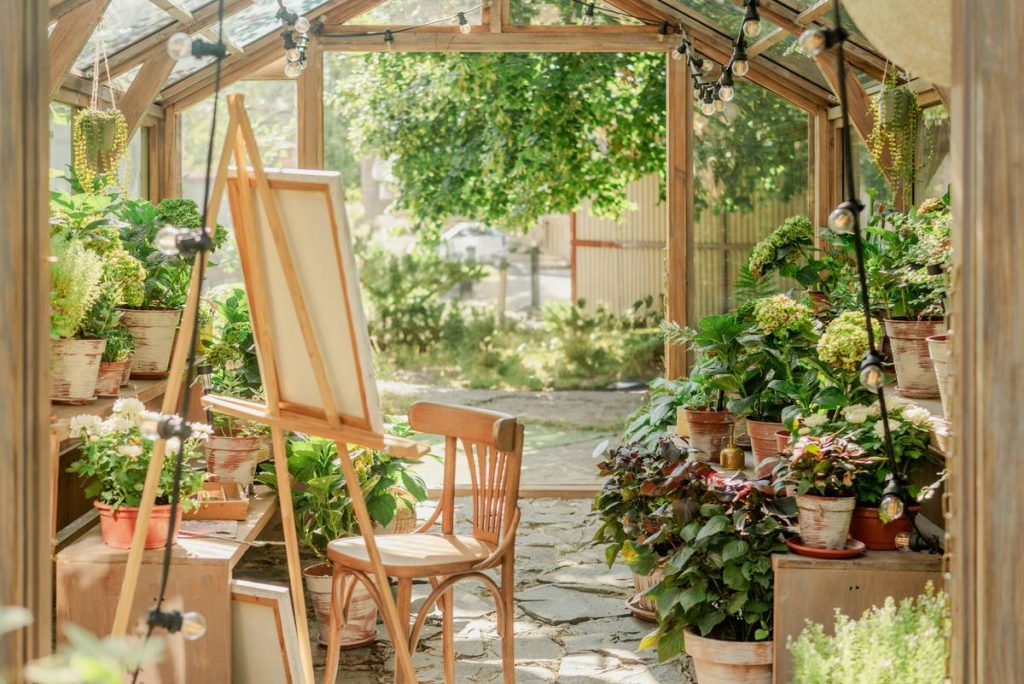
A messy lawn bleeding into flower beds. Mulch spilling onto pathways. Weeds staging a silent coup along your prized perennial border. You’re not lazy—you’re just using the wrong garden edging ideas australia trusts. The fix isn’t expensive or complex. It’s strategic.
Why Most Garden Borders Fail Within 12 Months
Plastic strips curl in the sun. Untreated timber rots before summer ends. DIY poured concrete cracks when soil shifts—which it always does here. And those trendy woven willow borders? Gorgeous for six weeks. Then termites move in.
Australia’s climate is brutal on half-measures. UV radiation, clay soils that expand like rising dough, and sudden downpours demand materials that flex without failing. Most “easy” solutions ignore this reality. They look tidy on Day 1—and pathetic by January.
Garden Edging Ideas Australia: A No-Nonsense Implementation Guide
Pick your weapon based on lifespan, not price tag alone. Below compares real-world performance across common Australian conditions:
| Material | Upfront Cost (AUD/m) | Lifespan (Years) | Best For | Maintenance Required |
|---|---|---|---|---|
| Galvanised Steel | $25–$40 | 15+ | Modern gardens, sharp lines, native plantings | None—rust-proof and rigid |
| Reconstituted Stone | $30–$55 | 20+ | Heritage homes, formal layouts | Occasional weed wipe-down |
| Recycled Plastic Lumber | $20–$35 | 10–15 | Eco-gardens, curved beds, kid-safe zones | Low—won’t splinter or leach |
| Concrete Sleepers | $40–$70 | 25+ | Retaining low banks, heavy foot traffic areas | Minimal—watch for efflorescence |
| Bamboo (Treated) | $15–$25 | 3–5 | Temporary accents, Asian-inspired spaces | High—re-treat annually |
Step 1: Map Your Microclimate
Coastal? Prioritise salt-resistant steel or stone. Inland clay belt? Avoid anything rigid without expansion joints. Frost-prone highlands? Skip anything porous—it’ll spall when water freezes inside.
Step 2: Dig a Trench—Not a Slot
Most amateurs slice a shallow slit. That’s why edging tilts. Dig 10–15cm deep, even for thin profiles. It anchors against root pressure and thermal heave. And line the base with coarse sand—not soil—for drainage.
Step 3: Overlap, Don’t Butt-Join
Materials expand in heat. Leave 3mm gaps between steel or concrete sections. But for flexible plastic or timber? Overlap ends by 5cm and pin them together below grade. Prevents snaking.
The Industry Secret: Borrow From Road Construction
Here’s what landscapers won’t tell you: mimic road shoulder design. Roads use a slight camber—higher in the centre, sloping outward—to shed water. Apply that to your garden beds.
Grade the soil inside the border 1–2% higher than the lawn edge. Water flows away from planting zones, starving invasive grasses of moisture. And it keeps mulch in place during Sydney’s surprise thunderstorms. Simple physics. Massive impact.
And—yes—it works with garden edging ideas australia pros actually specify: powder-coated aluminium channels set against compacted decomposed granite. Looks minimalist. Functions like infrastructure.
FAQ: Real Questions From Aussie Gardeners
What’s the cheapest long-lasting garden edging in Australia?
Recycled plastic lumber wins on lifetime value. Initial cost beats steel, lasts far longer than timber, and won’t fade like cheap PVC.
Can I install edging myself without tools?
For steel or plastic coil edging—yes. All you need: a mallet, trenching spade, and string line. Skip concrete unless you’ve mixed a few batches before.
Do garden borders stop couch grass?
Only if they go deep enough. Couch sends rhizomes down 20cm+. Use 15cm-deep steel or install a root barrier fabric behind your edging.